“I sometimes daydream about managing the campaign of a disabled candidate and hiring a staff of all disabled folks – that and maybe even running for office myself one day.“
Photo courtesy of Dom Kelly
Photo courtesy of Dom Kelly
 “When I asked if I could create a disability council at Fair Fight Action, I was given enthusiastic support and encouragement.“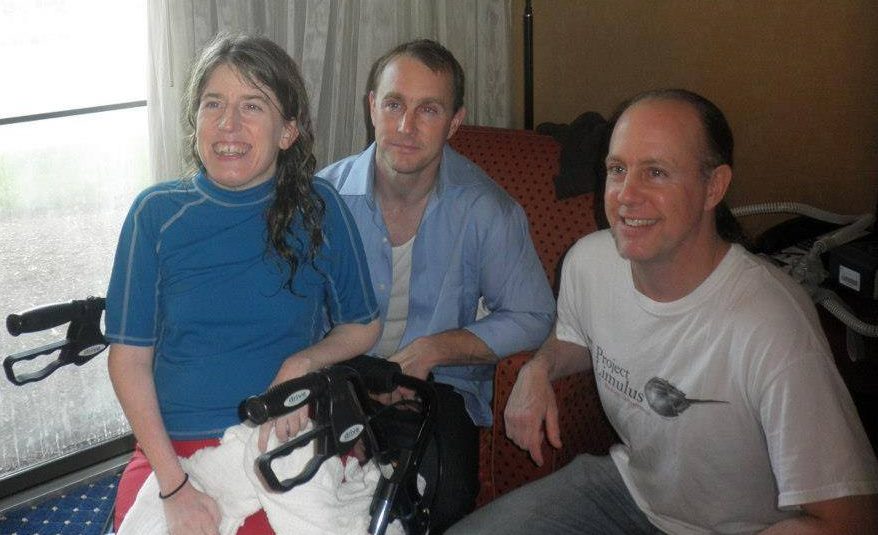
Long before I became a fundraiser with muscular dystrophy, I became a sibling to two nondisabled brothers. Stuff I Know: Access to funding is an equity issue. If it’s an honor for kids with disabilities to fund their own health care, then let’s have all kids be poster children. Also: While my lizard brain loves the BS that I, the disabled child, “taught my parents what love *really* is,” MDA telling siblings this during the Telethon is a lousy thing to do. As fundraisers and humans.
With thanks to everyone’s brilliance in the 10/17/20 #EndTheTelethon Twitter protest and to Dominick Evans for leading our response, which you can get in on until October 24, 2020, the day of the Muscular Dystrophy Association’s MDA Kevin Hart Kids Telethon. There’s lots of great writing about problems with the Telethon’s charity model but this post is from the fundraiser’s point of view, as much as it is from a community member’s.

Promoting the MDA Kevin Hart Kids Telethon by promising to “fondly remember the classic moments from the Jerry’s Kids Telethon,” and include “nostalgic footage” indicates that MDA’s fundraising culture has not really reckoned with its internal ableism.
CripTip: Don’t bring children on stage and talk about them in the 3rd-person and how they could die at any time. Please note this is equally bad regardless of whether you know that you’re telling the truth or lying about this PERSON.
I remember being a young kid, maybe 6-7 years old, and going on live TV in front of thousands of people. I remember by parents saying on TV that I was ‘dying’ – and I remember how painful that was because that was honestly news to me.#EndTheTelethon #TurnOffPity
— Olivia (@BagofSilly) October 17, 2020
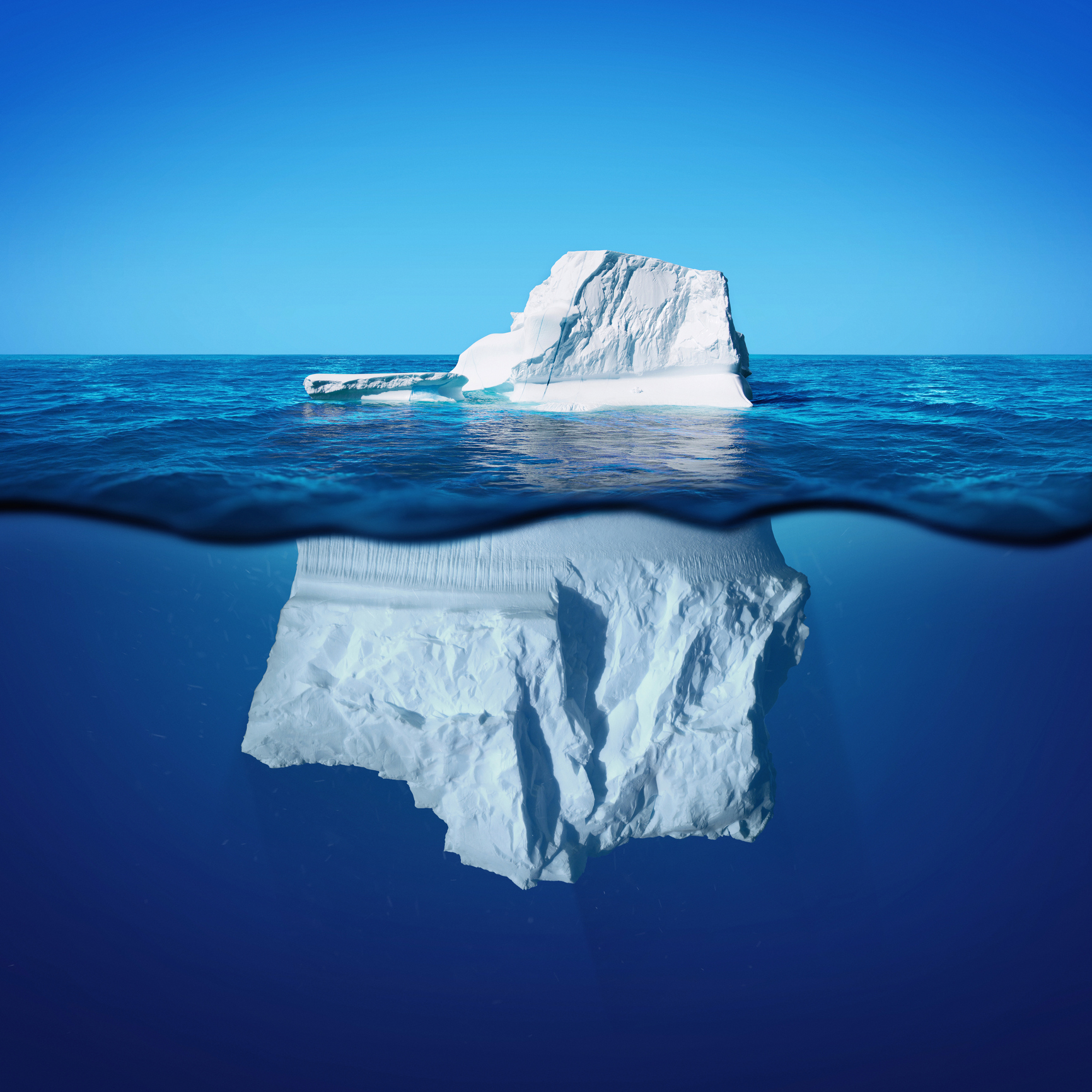
Those of us who can tell our stories openly about disability, chronic illness, and aging in philanthropy and fundraising are the tip of the iceberg. Our numbers are small compared to those who feel compelled to keep that aspect of who they are hidden under the water-line. Photo credit: Ales Utovko
These kind of workplace stories are a big part of what’s behind the Disabled in Development Project and how, when viewed collectively, they add up to system failures and structural ableism that is well beyond any individual’s ability to “overcome.” While DiD’s also about sharing stories of the significant progress toward inclusion being made in philanthropy and fundraising, giving space to testify openly about ableism in our own sector is essential for context.
 I worked with a fundraising teammate who had a different but complementary skill-set from mine. They were very good at what they did, from the outset.
 Foundation funding for disability advocacy dropped 23% between 2011-2015. Disabled people were the only group to see a decrease. Most funders are “aware” of disability but do they see ableism and structural discrimination? How do we make funders see disability civil and human rights as areas of actionable, urgent advocacy? A first step is recognizing disability as a constant but hidden set of variables in nearly all formulas for civil and human rights. An earlier version of these remarks was shared at Congregation Beth Jacob in Redwood City, California on March 3, 2018. I deeply appreciated their welcome when I was invited to address their community by Anne Cohen, an activist, disabled parent, and board member at the organization where I am Director of Development, Disability Rights Education & Defense Fund (DREDF) or, as Anne has dubbed it, “the ACLU of disability rights.” CBJ’s cross-disability access allowed me to take the first step in organizing community support: communicate.
The medical model of disability would keep us separated by diagnoses — different and disconnected — but the social model can bring us together — unique and united — through common concerns for our rights.
 Disabled In Development